
TOKYO VISITING TIPS 2026
Helpful travel tips | Key sights to explore | Insider advice
Tokyo Visiting Tips
- Best time to visit Tokyo
- Getting around Tokyo
- Where to stay in Tokyo
- Classic Tokyo highlights
- Modern & fun Tokyo experiences
- Entertainment in Tokyo
- Top picks in Tokyo for families
- Food tips in Tokyo
- Tokyo shopping: where style meets tech
- Cultural etiquette and local rules
- Useful things to know in Tokyo
- Visiting Tokyo without spending too much
- The best day trips from Tokyo
- FAQ
- Tokyo DO’S & DON’TS – Practical Japan travel tips

What makes Tokyo special?
Visiting Tokyo is always a good idea. It’s a trip you remember for a long time. The city mixes the future with old traditions, with neon streets, quiet temples, and calm gardens all close to each other. Tokyo is also one of the safest and cleanest cities in the world. More than 14 million people live there, yet everything runs smoothly. Public transport is fast, reliable, and easy to use. The food is great too. Tokyo has many Michelin star restaurants, but you can also eat very well in small local spots.
People visit Tokyo for many reasons. Some love anime, gaming, and tech in Akihabara, the pop culture center of the city. Others enjoy traditional places like Sensoji Temple or Meiji Shrine. Many families spend the day at Tokyo Disneyland or DisneySea, or take trips to Mount Fuji and Hakone. And some just want a bit of everything.
This guide gives you simple tips to plan your trip and make the most of your Tokyo visit.

Best time to visit Tokyo
Tokyo is a great place to visit any time of year, but each season offers something different. Spring and autumn are the most comfortable, with pleasant weather and beautiful colors. Many visitors choose spring, especially late March and early April, during the cherry blossom season. The weather is mild, and the parks are full of people enjoying the blooms. It’s also the busiest time.
Another busy period is Golden Week, from April 29 to May 5, when Japan has several national holidays. The city gets very crowded, and hotels book up fast.
Summer is fun too, but the weather is quite hot and humid during June and July. Many festivals take place, and fireworks fill the sky. You will sweat a lot, but the city never slows down.
Fall, from late October to early December, brings comfortable temperatures and red and gold leaves across the city’s gardens and temples. It is a great time for sightseeing and day trips.
Winter in Japan is calm, clear, and beautiful, with stunning views of Mount Fuji, relaxing hot springs, and great seasonal food. It’s also the best time for enjoying quiet temples and less crowded cities, with the exception of New Year holidays, when tourist spots get very busy.

Getting around Tokyo
Tokyo city looks big, but transport is simple once you know the basics.
Metro and JR Lines: The fastest way to move around the city. Get a Suica or Pasmo card so you don’t need to buy a ticket every time. Trains run often, and signs are clear in English.
Trains during rush hour: Avoid weekdays from 7 to 9 in the morning. Trains are full. If you must travel, allow extra time and expect crowded platforms.
Airport transfers: Haneda Airport is close to the city. Narita is farther. The fastest options are Narita Express, Skyliner, or an airport bus. Each one has clear signs and runs on a fixed, reliable schedule.
Taxis: Safe, clean, and reliable, but more expensive than trains. They are useful late at night when trains stop running.
Walking: Many areas, such as Shibuya, Shinjuku, and Asakusa, are great for exploring on foot. Streets are well-marked, and you can often discover small shops and cafés you might miss by train.
One of the easiest ways to explore the city is the Tokyo Hop-On Hop-Off Bus, which takes you to major sights without needing to navigate the trains.

Where to stay in Tokyo
Tokyo is huge, and each area has its own feel, so where you stay depends on your style and budget. Some neighborhoods are lively, others are calm, and many are great for families. Here’s a simple guide to help you choose.
Shinjuku and Shibuya: Busy, bright, and full of energy. Shinjuku has nightlife and endless food spots. Shibuya is young and perfect for first-timers. Both of these central Tokyo areas have mid to high range prices and an excellent location.
Asakusa: Traditional, calm, and ideal for couples or families who want quiet evenings. Hotels are usually more affordable.
Ginza: Clean, stylish, and perfect for luxury stays or business trips. Hotels here are on the expensive side.
Tokyo Station area: Very central and great for sightseeing, business, or fast train day trips. Prices are often higher.
Ueno, Odaiba, Ikebukuro: Family-friendly choices. Ueno has parks and museums. Odaiba has malls and fun attractions. Ikebukuro has shops, entertainment, and easy transport. These areas offer good mid range hotels and plenty for kids.

Classic Tokyo Highlights
Tokyo mixes old traditions with modern energy. Here are some suggestions that will help you explore the most important cultural spots in the city.
- Asakusa & Sensoji Temple – Tokyo’s oldest temple with charming old streets and traditional snacks.
- Meiji Shrine – A peaceful forest shrine that feels calm in the middle of the city.
- Imperial Palace & East Gardens – A quiet green space near Tokyo Station with historic gates, stone walls, and beautiful Japanese gardens. Join a Tokyo Imperial Palace Tour to explore the grounds and learn more about its history.
- Shinjuku & Tokyo Metropolitan Building – Free skyline views and a lively food scene.
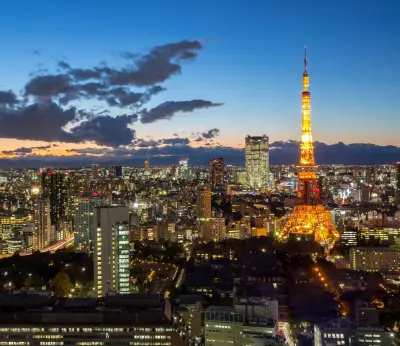
- Tokyo Skytree or Tokyo Tower – Iconic towers with great views and photo spots. Get Tokyo Skytree Tickets to enjoy panoramic views from one of the tallest towers in the world. With Tokyo Tower Tickets, you get a classic old Tokyo feel and beautiful skyline views from one of the city’s most famous landmarks.

Modern & Fun Tokyo Experiences
Tokyo’s bright, playful, and high-tech side is perfect for families, young travelers, and anyone who wants a mix of fun, color, and modern pop culture.
- Shibuya Crossing – One of the busiest and most iconic crossings in the world. The area around it is full of things to do, including the famous Hachiko Statue, the Shibuya Sky observatory with city views, trendy shopping at Shibuya 109, giant screens and bright lights, and cafés, restaurants, and photo spots. It’s the perfect place to feel Tokyo’s modern, energetic side.
- Akihabara – The heart of anime, gaming, and tech, filled with arcades, themed shops, and pop culture finds.
- teamLab Planets Tokyo – A popular digital art experience with water, light, and immersive rooms. Get teamLab Planets Tokyo Tickets to walk through floating flowers, mirror rooms, and interactive spaces that feel like stepping into another world.
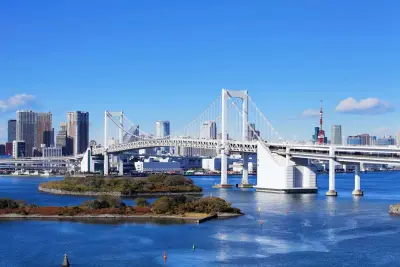
- Odaiba – A modern waterfront area with malls, attractions, and great Rainbow Bridge views.
- Tokyo Disneyland & DisneySea – Two of Japan’s most loved theme parks, perfect for families and Disney fans.

Entertainment in Tokyo
Traditional entertainment
- Get Sumo Tickets Tokyo and watch a tournament or early-morning training. It’s one of the best ways to see real Japanese culture up close.
- Watch Samurai Show Tokyo and learn more about Japan’s warrior history.
- Geisha Show Tokyo – Small performances with traditional music, dance, and elegant rituals. These shows give you a rare chance to see geisha arts up close, including fan dances, shamisen music, and classic storytelling.
- Tea ceremonies – Calm sessions that teach the art of Japanese tea. They’re peaceful and a nice break from the busy city.
- Watch Kabuki Show Tokyo and experience dramatic storytelling, bold makeup, and traditional music in a style that you can only experience in Japan.

Modern entertainment
- Shinjuku nightlife – Neon streets, karaoke, and food alleys around Shinjuku Station. It’s one of the best places to feel Tokyo’s energy at night.
- Robot-style shows – Colorful, loud, and fun performances found in the Kabukicho area of Shinjuku. They’re bright, wild, and unlike anything you’ve seen before.
- Roppongi – A popular nightlife district with clubs, bars, and late-night restaurants, loved by both locals and visitors.
- Tokyo Dome City – A fun spot with rides, games, and events for all ages. It’s an easy place to enjoy an afternoon or evening without leaving the city.
Check out our popular Tokyo experiences!

Royal Tokyo experience
Tokyo Imperial Palace Tour
Explore the home of Japan’s mighty rulers on our Tokyo Imperial Palace Tour! A local tour guide will show you around the site where the military commander of Japan (shogun) lived. As you wander the Imperial Palace East Gardens, you’ll see moats, grand gates, and stone walls. Then enter Ninomaru Garden, a landscaped garden next to Edo Castle ruins. As you walk, your knowledgeable guide will teach you the site’s full history.

Fun for all ages
Tokyo Disneyland Ticket
Book your Tokyo Disneyland Tickets and see the magic of Disney come to life. Enter the resort immediately with skip-the-line tickets, and explore seven fun-filled themed lands. Fly with Peter Pan, search for honey with Winnie the Pooh, and explore the Beauty and the Beast attraction. Other attractions include canoe rides, parades, and an arcade. Your park ticket is valid for the entire day, so you can stay as long as you like, from morning to evening!

Top picks in Tokyo for families
Tokyo is full of fun, easy activities that keep both kids and parents happy. Families love places like Shibuya Crossing and Shibuya Sky for big views, and Tokyo Skytree for its tall tower and shops. Shinjuku Gyoen National Garden is perfect for picnics and calm walks, while Tsukiji Outer Market offers tasty snacks that children enjoy. Book Tokyo Disneyland Tickets and visit one of the best family attractions in Asia, with full-day fun, shows, parades, and rides for all ages. With Tokyo DisneySea Tickets, you can explore ocean-themed areas and unique sea attractions. Get Warner Bros. Studio Tour Tokyo Tickets and enjoy a family day exploring the Wizarding World of Harry Potter.

Food tips for Tokyo
Tokyo is a dream for food lovers. You don’t need fancy restaurants to enjoy great meals. Tokyo’s food scene is huge, with everything from quick noodle shops and casual izakayas to modern cafés and luxury fine-dining spots. Here are some popular dishes that are easy to find, fun to try, and perfect for anyone visiting the city.
Sushi – Tsukiji Outer Market for fresh sushi and seafood bowls.
A great place to taste many types of sushi in one visit.
Ramen – Ichiran Ramen for easy ordering and rich tonkotsu broth. A must-try for first-time visitors.
Tempura – Tempura Tendon Tenya for crispy, affordable tempura bowls. Quick, tasty, and budget-friendly.
Yakitori – Omoide Yokocho (Shinjuku) with small local bars serving grilled skewers. A classic, cozy Tokyo food experience.
Matcha sweets – Saryo Tsujiri (Ginza) for matcha ice cream, cakes, and mochi. Light, sweet, and perfect after a long day of sightseeing.Joining a Tokyo Food Tour is also a great idea, as it lets you sample many local dishes with a local guide.
PRO TIP
In some traditional restaurants, especially those with tatami floors, you’ll need to take off your shoes. Guests usually sit on cushions at low tables, so check the entrance for a step or shoe shelves. Always wait to be seated, join the queue if there’s one, and keep your ticket ready if you order from a machine.


Tokyo shopping: where style meets tech
Shopping in Tokyo is fun, simple, and full of variety. Harajuku and Shibuya neighborhoods are great if you want streetwear, trendy fashion, or cute accessories. Ginza is the spot for luxury brands and stylish department stores, while Akihabara is perfect for gadgets, cameras, anime merchandise, and gaming shops. If you want something more traditional, Asakusa offers crafts, snacks, small ceramics, incense, and classic souvenirs. You’ll also find great gifts all over the city, like Japanese snacks, matcha sweets, skincare, and character goods. For something special, many travelers pick up Japanese knives, washi paper, or a small piece of pottery. Tokyo makes it easy to find a mix of modern style and traditional charm in one place.

Cultural etiquette and local rules
Tokyo is easy to navigate if you know a few basic rules. Trains are quiet, so keep your phone on silent and avoid loud conversations. There are very few bins outside, so carry a small bag for your trash and take it with you, just like locals do. In many homes and some traditional restaurants, you’ll need to remove your shoes, and slippers are usually provided. Eating on the go is seen as impolite, except at festivals or near food stalls.
People in Tokyo are polite, patient, and used to lining up, so follow the queue and be respectful. A small thank-you or smile always goes a long way. It’s also useful to know a few simple phrases: Arigato means thank you, Sumimasen means excuse me or sorry, and Konnichiwa means hello.

Useful things to know in Tokyo
You can pay for most things in Tokyo with a credit card, but it’s still smart to carry some cash. Small shops, food stalls, shrines, local trains, and some older attractions only accept cash. Convenience stores have ATMs that work with international cards, so it’s easy to withdraw yen when you need it. Power plugs are the same as in the USA (Type A and B), and the voltage is 100V, which works fine for most chargers. It also helps to have a Suica or PASMO card, which you can use on trains, buses, and even in some shops. Wi-Fi is good in airports, hotels, and big stations, but having a pocket Wi-Fi or a SIM card makes the trip easier.
PRO TIP
Tipping is not part of Japanese culture and can actually cause confusion or offense. If you leave money on a table, a server will likely chase you down the street thinking you forgot your change. Also, you almost never pay the server at your table – take the clipboard with your bill to the cash register near the exit when you are ready to leave.

Visiting Tokyo without spending too much
You can enjoy and explore Tokyo on a small budget with a few smart choices. Use the subway and JR lines instead of taxis. Eat at ramen shops, affordable local restaurants, and convenience stores. Visit free attractions like Sensoji Temple, Meiji Shrine, Yoyogi Park, and Shibuya Crossing. Get a prepaid IC card to make transport easier. For views, go to the Tokyo Metropolitan Government Building. Walk as much as you can and explore different neighborhoods. Stay slightly outside the busiest areas, like Asakusa or Ueno, to save money. The cheapest months to visit Tokyo are January, February, early March, and the rainy season in late June and early July. With a bit of planning, Tokyo can be fun and surprisingly affordable.

The best day trips from Tokyo
MOUNT FUJI DAY TRIP FROM TOKYO
This tour takes you to Japan’s most famous mountain, with views of Fuji, Lake Kawaguchi, and nearby scenic spots. It’s the easiest way to see Mount Fuji up close without worrying about transport.
HAKONE DAY TRIP FROM TOKYO
A relaxing escape with hot springs, lake cruises, ropeways, and views of Mount Fuji on clear days. You get nature, lakes, mountains, and classic Japanese scenery all in one trip.
NIKKO DAY TRIP FROM TOKYO
Visit Nikko Toshogu Shrine, waterfalls, forests, and peaceful mountain scenery. It mixes culture and nature, with one of Japan’s most beautiful shrines.
KAMAKURA DAY TRIP FROM TOKYO
Explore the Great Buddha, temples, shrines, beaches, and small traditional streets. It’s a calm, historic town that feels completely different from busy Tokyo, perfect for a slow, easy day.

Something fun to try on your trip
Japan is full of unique experiences you won’t find anywhere else. Beyond the famous temples and busy city streets, there are fun, quirky, and surprising things that show a different side of the country. Here are some unusual activities that make a trip to Japan even more memorable.
Stay in a capsule hotel
Sleep in a small, private pod. It’s unique, surprisingly comfy, and very Japanese.
Visit an owl or cat café
Spend time with animals in themed cafés found across Tokyo.
Try a themed restaurant
From ninja restaurants to prison-themed cafés, Japan takes themes seriously.
Relax in an onsen
Natural hot springs with strict etiquette. A must-try Japanese experience.
Take a night walk through a red lantern alley
Places like Golden Gai or Omoide Yokocho feel like stepping into old Japan.
FAQ - Tokyo Visiting Tips
How many days do I need in Japan?
What should I pack for Tokyo?
Is Japan safe for solo travelers?
Is English spoken in Tokyo?
What should I wear to temples and shrines in Tokyo?
What if I don’t know how to eat with chopsticks?
Can I drink tap water in Tokyo?
Are tattoos a problem in Japan?
Is it true that trains in Japan are very quiet?
Do I need to take off my shoes indoors?
Do toilets really have buttons?
Can I tip a waiter or taxi driver?
PRO TIP
Tokyo’s trains do not run 24 hours. The entire system shuts down around midnight (give or take 30 minutes, depending on the line) and doesn’t restart until around 5:00 AM. If you miss the last train, your only options are an expensive taxi ride across the city or waiting it out in an all-night karaoke booth or internet cafe. Don’t expect ride-hailing apps to save your budget, either; apps like Uber and the local favorite, GO, simply dispatch official metered taxis, meaning you will still be hit with the same high fares and mandatory 20% late-night surcharges.

Tokyo DOs & DON’Ts
- DO carry a small trash bag. Public bins are rare, so you’ll need to keep your trash with you.
- DO bow lightly as a sign of respect. A small nod is enough. Locals don’t expect perfect bowing from tourists.
- DON’T take photos in places with signs saying “No Photos.” This is common in shrines, shops, and museums.
- DO download Google Maps and Google Translate. Both work well and make navigation and communication simple.
- DO relax in Shinjuku Gyoen’s beautiful gardens. Open lawns and cherry blossoms in spring, great for walking and photos.
- DON’T expect menu changes. Many restaurants follow fixed recipes and don’t customize dishes.
- DO watch the sunset in Odaiba. Sit by the water and enjoy views of the Rainbow Bridge as the city lights come on.
- DON’T stand on the wrong side of the escalator. In Tokyo, stand on the left and walk on the right.
Why Tokyo will steal your heart
Tokyo hits you with energy the moment you arrive. One minute you’re crossing Shibuya with thousands of people, the next you’re standing in total silence at a shrine surrounded by trees. Food is an adventure on its own, ramen at midnight, sushi for breakfast, matcha treats all day. Families get Disneyland and Mount Fuji views, couples get sky-high sunsets, and friends get neon nights, arcades, and endless streets to explore. Tokyo feels huge yet safe, busy yet calm, modern yet deeply traditional. It’s a city that surprises you, welcomes you, and stays with you long after you leave.
See more of Japan beyond Tokyo!
Book your day trip from Tokyo now!

Iconic Fuji views
Mt Fuji Day Trip from Tokyo
Mt Fuji is Japan’s highest mountain and one of the world's most recognizable natural landmarks. This day trip from Tokyo is designed to offer visitors the chance to experience the landscapes surrounding Mt Fuji, rather than just seeing it from a distance. You’ll view Mt Fuji from two unique angles, cruising across Lake Ashi and riding the Hakone Ropeway cable car. Along the way, the tour includes a few carefully chosen stops, such as a lakeside shrine and a geothermal valley shaped by volcanic activity. Reserve this day trip and experience Mt Fuji from viewpoints most visitors never see.

Scenic Hakone highlights
Hakone Day Trip from Tokyo
Hakone is one of Japan’s most popular nature escapes from Tokyo, known for its mountain scenery, hot springs, and views of Mt. Fuji. This tour takes you into the heart of Hakone, where you experience the landscape from different angles. Travel up to 2,300 meters above sea level at Mt. Fuji’s 5th Station, see the volcanic terrain from the ropeway above, and cruise across Lake Ashi. With pickup, comfortable transport, and the option to enjoy a buffet lunch, the day is relaxed. Return to Tokyo by bullet train for a fast journey back. Reserve now and enjoy Hakone’s changing landscapes from land, water, and air.